Rank Group Chief Executive Warns of Casino Closures from Machine Games Duty Rise
Petra Ludwig · Sep 21, 2026

Rank Group Chief Executive Warns of Casino Closures from Machine Games Duty Rise
The chief executive of Rank Group has issued a direct warning that proposed increases to machine games duty could force the closure of multiple casinos and bingo halls across the UK, with significant job losses following as a direct result. This alert comes as government officials under Chancellor John Healey and Prime Minister Andy Burnham continue deliberations on tax adjustments targeting higher-stakes Category B slot machines in betting shops and adult gaming centres.
Rank Group operates numerous high-street venues that rely heavily on these machines, and the executive pointed out how an increase in the duty rate would squeeze margins to unsustainable levels. Data from industry modelling shows that such changes would hit venues already operating on tight budgets, particularly those outside major cities where footfall remains variable. The Social Market Foundation had earlier put forward a plan to double the duty from 20% to 40%, a suggestion now under active consideration ahead of the next Budget announcement.
Details of the Proposed Machine Games Duty Changes
Machine games duty applies specifically to slot machines, electronic roulette terminals, and fruit machines located in casinos, bingo halls, betting shops, and adult gaming centres. The current structure taxes gross profits from these devices at 20% for most Category B machines, yet the proposed shift would raise that rate substantially. Observers note that operators have already flagged reduced profitability in recent quarters, and any further tax burden would accelerate decisions to rationalise estate portfolios rather than expand them.
Category B machines in adult gaming centres and betting shops fall squarely into the scope of these talks, while lower-stake terminals used in other settings face different treatment. The distinction matters because high-stakes units generate a disproportionate share of revenue for many venues, and doubling the duty would remove a key revenue stream that currently supports staffing and maintenance costs. Figures from the sector indicate that these machines contribute the majority of income at typical bingo halls and smaller casinos, making the duty change a pivotal factor in future viability assessments.
Industry Response and Venue Risks
Operators across the sector have pushed back against the proposals, citing direct threats to high-street locations that serve local communities. Rank Group stands among the largest players, and its executive emphasised that closures would not remain isolated events. Instead, they would trigger knock-on effects including reduced supplier orders, lower local authority revenues from business rates, and fewer employment opportunities in regions already facing economic pressures. The reality is that many venues operate with limited ability to absorb additional costs without cutting staff hours or shutting sites entirely.
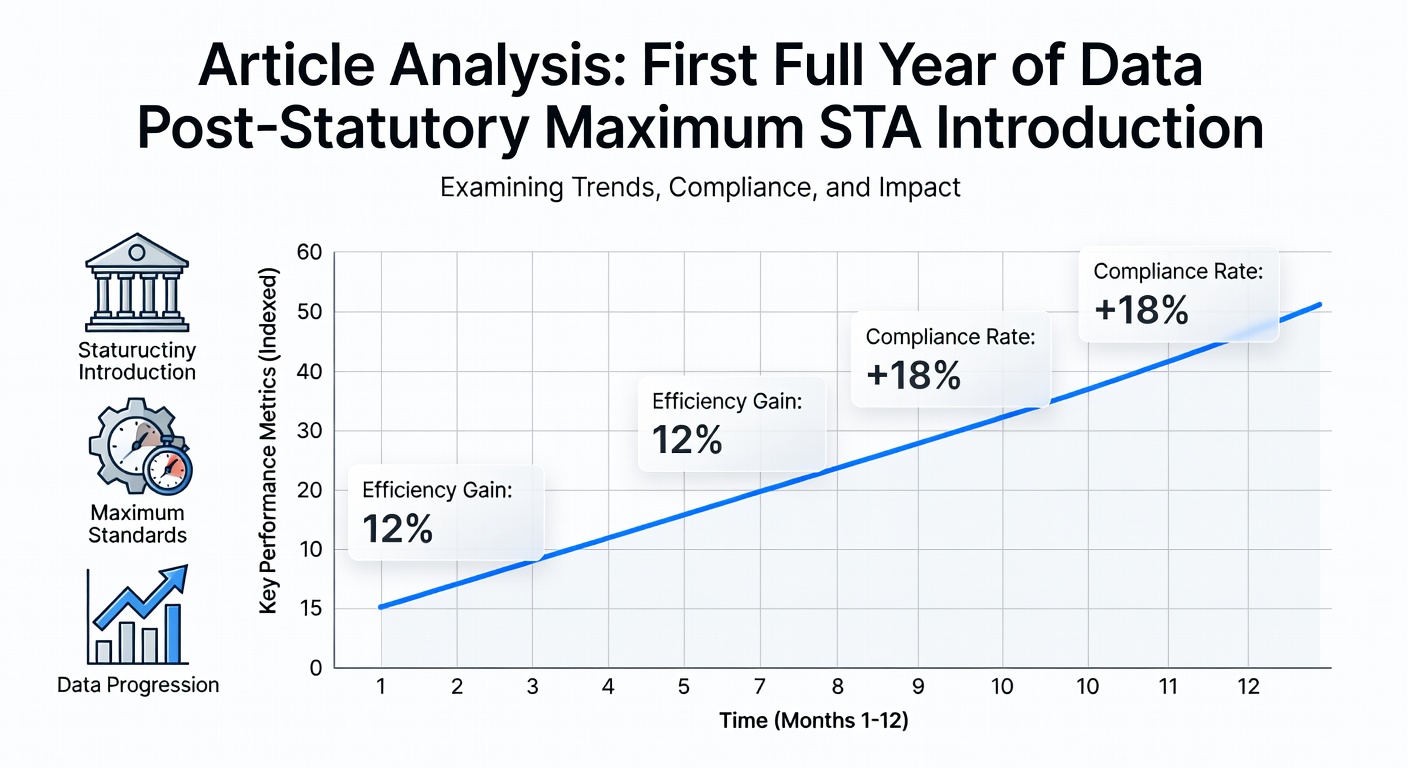
One study referenced in coverage of the warnings modelled the potential impacts and found that a 40% duty rate would render numerous smaller sites unprofitable within the first year of implementation. Those who've studied similar tax adjustments in previous years know that recovery rarely occurs quickly, and operators often respond by concentrating resources on fewer, larger locations. This pattern leaves regional towns with reduced gambling options and accelerates the shift toward online platforms that face separate regulatory regimes.
Government Deliberations and Broader Context
Chancellor John Healey and Prime Minister Andy Burnham have received multiple submissions on the topic as part of ongoing Budget preparations. The Social Market Foundation's recommendation to double machine games duty forms one strand of these discussions, while industry bodies have submitted counter-evidence highlighting employment figures and venue sustainability. The process reflects standard fiscal review cycles where revenue-raising measures undergo scrutiny for both economic impact and behavioural responses from businesses.
Betting shops and adult gaming centres already operate under strict licensing conditions that limit machine numbers and stake sizes, yet the proposed duty increase would add a further layer of financial strain. Data indicates that these venues employ thousands of staff in customer-facing and technical roles, many of whom possess skills tied specifically to the gaming sector. Any large-scale closures would therefore release workers into a job market where equivalent positions remain scarce outside major urban centres.
Potential Outcomes for High-Street Venues
Executives have outlined scenarios in which marginal sites close first, followed by larger facilities if revenue shortfalls persist. Bingo halls in particular face dual pressures because they combine machine income with traditional session-based play, and the loss of machine revenue would undermine the cross-subsidisation that keeps many locations open. Observers note that previous duty adjustments produced measurable shifts in operator strategies, including accelerated investment in digital offerings over physical expansion.
The ball remains in the government's court as final Budget decisions approach. Stakeholders continue to supply detailed impact assessments that quantify job losses, venue numbers at risk, and expected tax yield under different rate scenarios. These submissions form part of the evidence base that ministers will weigh before announcing any changes to machine games duty rates.
Conclusion
The warning from Rank Group's chief executive captures the core tension between revenue objectives and sector sustainability. Proposed increases to machine games duty target specific machine categories yet carry consequences that extend across employment, local economies, and the continued operation of physical gambling venues. Government deliberations continue under the current administration, with industry responses focused on demonstrating the scale of potential disruption should the duty rate move from 20% to 40%. The outcome will shape the landscape for casinos, bingo halls, and adult gaming centres in the months following the Budget announcement.