Slot Tournament Pathways: Bridging Mobile Challenges with Cumulative Rewards and Status Growth
Jakob Schulz · Aug 26, 2026
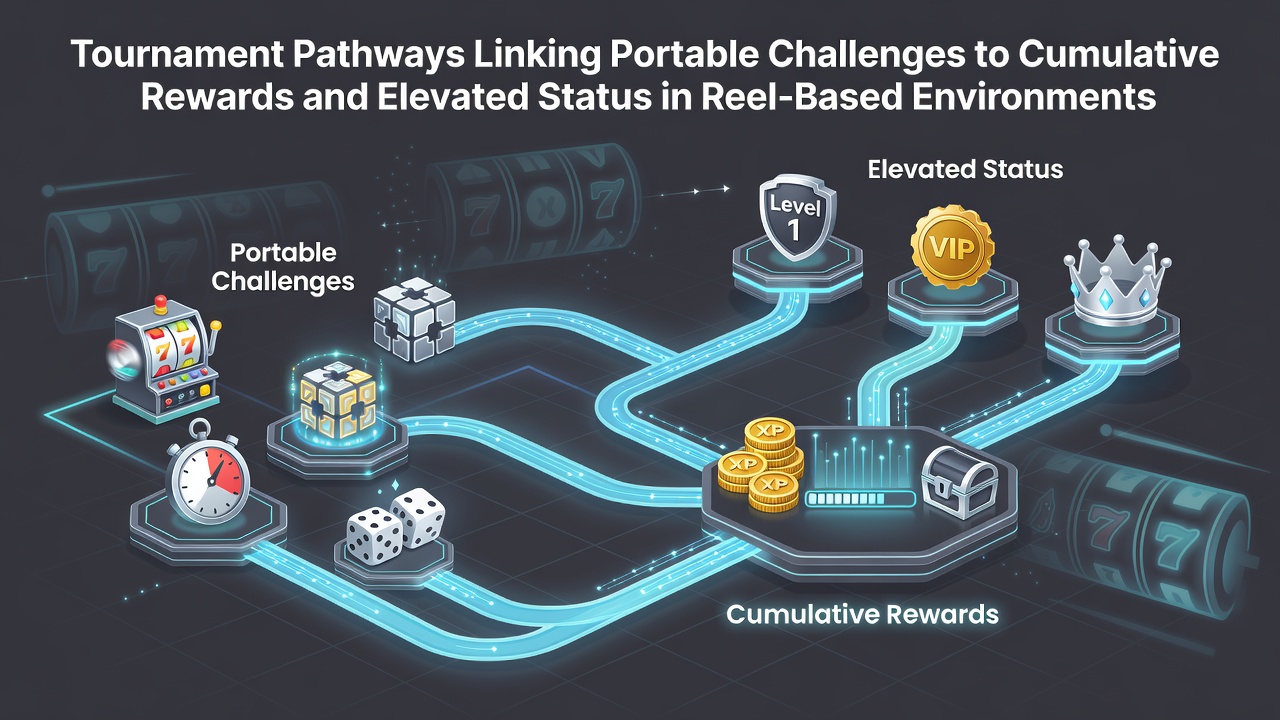
Slot Tournament Pathways: Bridging Mobile Challenges with Cumulative Rewards and Status Growth
Reel-based environments have developed structured tournament pathways that integrate portable challenges directly with systems for accumulating rewards and advancing player status, according to industry analyses from multiple regions. These frameworks allow participants to engage through mobile interfaces while progressing along defined routes toward cumulative benefits such as prize pools, loyalty points, and tiered recognition levels. Data from the American Gaming Association shows that integrated tournament models expanded across digital platforms in 2025, with mobile participation accounting for a growing share of overall engagement metrics.
Core Elements of Tournament Integration
Portable challenges function as entry points in these pathways, where players complete time-limited tasks on handheld devices that feed into larger reel-based competitions. Observers note that such challenges often involve specific reel combinations or session targets, and successful completion contributes points toward cumulative totals. Research indicates that platforms synchronize these mobile elements with central servers to track progress in real time, ensuring that individual efforts translate into shared leaderboard positions and reward allocations. In August 2026, several operators reported increased synchronization between mobile challenge completion rates and overall tournament throughput.
Mechanisms for Cumulative Rewards
Cumulative rewards build through layered accumulation processes that combine daily mobile inputs with periodic reel sessions. Points earned from portable challenges roll over into weekly or monthly tallies, which then determine eligibility for cash equivalents, bonus credits, or merchandise. Studies from the University of Nevada, Las Vegas gaming research division reveal that players who maintain consistent mobile challenge streaks achieve higher average reward yields compared to sporadic participants. These systems employ algorithms that adjust reward scales based on total accumulated volume, creating direct links between sustained portable activity and larger payout structures.
Pathways to Elevated Status
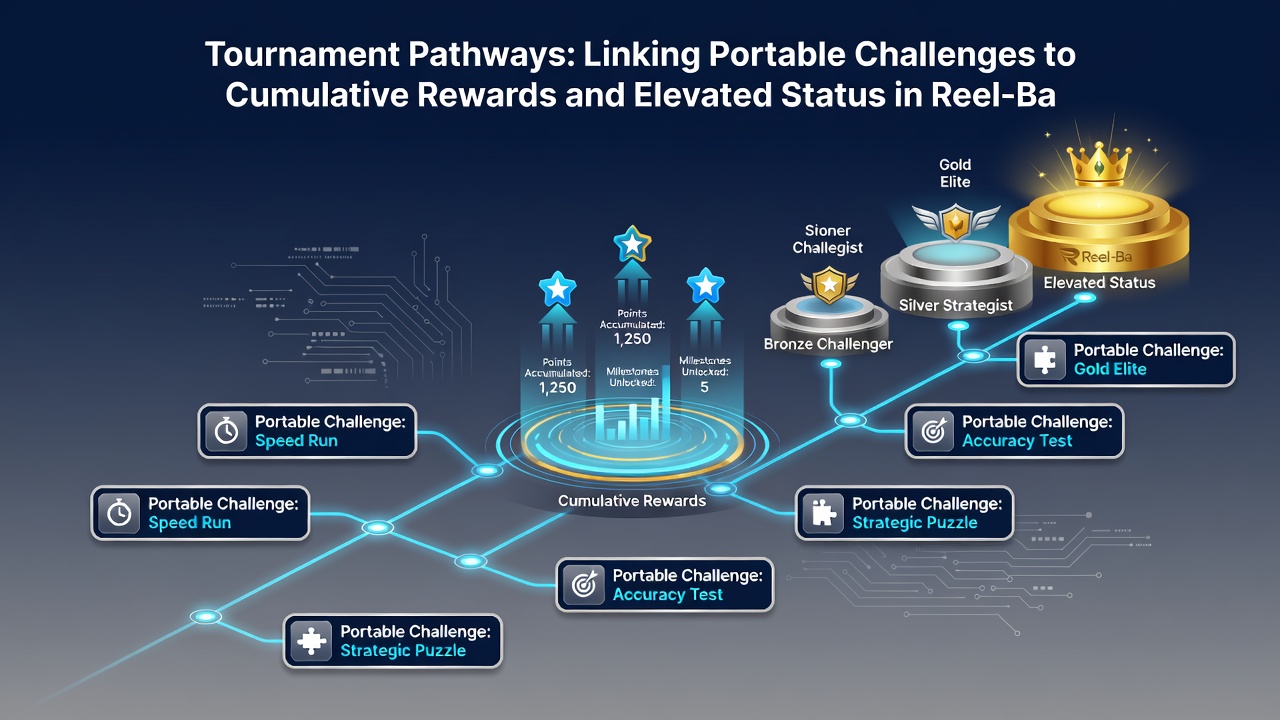
Elevated status emerges as players advance along tournament pathways that recognize cumulative performance across both mobile and reel environments. Status tiers unlock through milestone achievements, such as reaching defined point thresholds or securing top placements in linked competitions. Those who monitor these systems find that portable challenges contribute proportionally to status calculations, often weighted alongside traditional reel play volume. Reports compiled by the Canadian Gaming Association highlight how tier advancement correlates with extended platform retention, as higher status levels grant access to exclusive tournament brackets and accelerated reward multipliers.
Operational Structures Across Platforms
Operators implement these pathways through standardized software architectures that prioritize cross-device compatibility. Mobile challenges route data to unified databases that update status profiles and reward ledgers without interruption. Experts have observed that real-time synchronization prevents discrepancies between portable inputs and cumulative totals, maintaining pathway integrity. In practice, a player completing a series of mobile reel tasks might see immediate point additions that influence both reward eligibility and status progression simultaneously.
Regional Variations in Pathway Design
Different regulatory jurisdictions shape how tournament pathways operate within reel-based settings. European frameworks emphasize transparent point tracking and reward disclosure, while North American models focus on competitive balance across mobile and stationary devices. Australian industry reports note adaptations that incorporate local player preferences for challenge frequency and status visibility. These variations demonstrate how portable challenge integration adapts to regional requirements while preserving core connections to cumulative rewards and elevated standing.
Conclusion
Tournament pathways in reel-based environments continue to link portable challenges with systems for reward accumulation and status elevation through coordinated technical and operational designs. Available data from organizations such as the American Gaming Association and academic sources including the University of Nevada, Las Vegas underscore measurable connections between mobile engagement patterns and broader player outcomes. As platforms refine these structures, the pathways maintain their role in channeling individual portable efforts into collective reward and status frameworks.