UK Casino Operators Flag Risks from Potential Machine Games Duty Increase
Logan Vogel · Oct 19, 2026

UK Casino Operators Flag Risks from Potential Machine Games Duty Increase
UK casino operators including Genting Casinos have issued warnings about a proposed rise in Machine Games Duty that could see the rate double from 20% to 40% as part of the autumn Budget, and this move would increase operating costs while threatening venue viability across the sector.
Details of the Proposed Tax Change
The Machine Games Duty applies directly to slot machines, fruit machines and roulette machines found in land-based casinos, and reports indicate the Treasury is considering the hike for implementation later this year while operators prepare financial models that factor in the higher rate. Genting Casinos COO Paul Willcock has pointed to ongoing uncertainty as a key issue that complicates planning, because businesses cannot finalise expansion or refurbishment budgets until the government confirms whether the change will go ahead.
Potential Effects on Operations and Employment
Higher MGD payments would raise costs for each machine in operation, and operators note that many venues already operate on tight margins so the extra tax burden could force closures in locations where revenue fails to cover the new rates. Job losses would follow from any site shutdowns since staff positions tied to machine areas and floor management would disappear, while remaining venues might reduce opening hours or cut back on services to offset the increased duty.
Recent Reforms Show Positive Early Results
Despite the tax concerns, Gambling Commission reforms that allow more machines per casino have produced measurable gains, and Rank Group has already expanded its machine estate by 65% following the rule changes that came into effect earlier. These adjustments permit operators to deploy additional gaming positions within existing floor space, which has boosted revenue potential at participating sites and demonstrated that modernisation measures can deliver growth when regulatory conditions support higher machine counts.
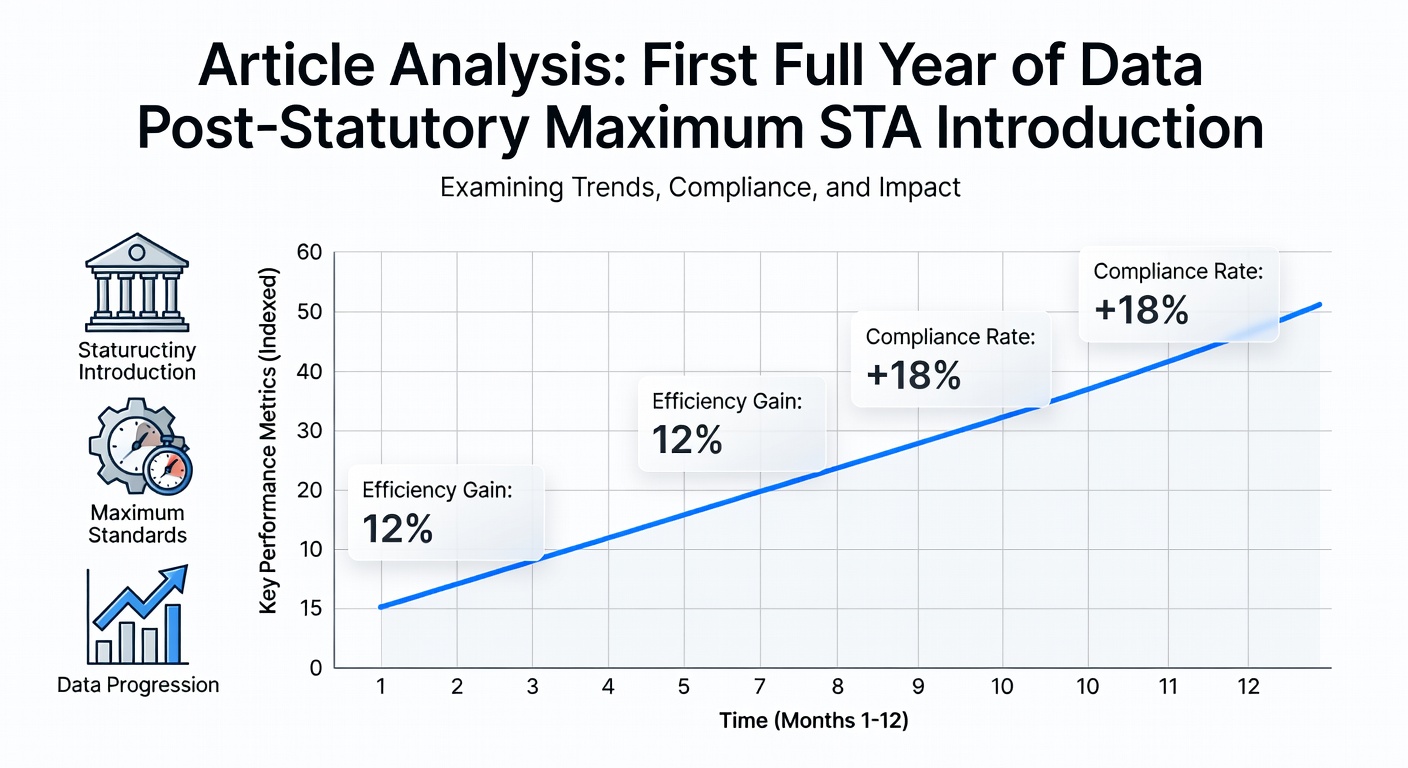
Observers note that the machine expansion has occurred alongside steady player numbers, and the early data suggests venues can absorb more terminals without saturating demand when the machines include popular titles and updated technology. Yet the prospect of a doubled duty rate introduces a counterbalancing pressure that could offset these gains if costs rise faster than the additional revenue from extra machines.
Investment and Sector Confidence
Industry statements highlight that planned capital expenditure on new venues or upgrades would likely pause while the tax proposal remains under review, because investors require clarity on long-term tax liabilities before committing funds. The uncertainty affects both domestic operators and international groups considering UK market entry, and Genting Casinos has specifically cited this hesitation as a factor that slows project timelines across multiple sites.
Figures from recent quarters show land-based gambling has started to recover from pandemic restrictions, yet any sharp increase in Machine Games Duty could reverse that trend by reducing the number of operational venues and limiting the scope for further machine installations even after the reforms took hold. Operators argue that the combined effect of higher tax and regulatory modernisation needs careful balancing to avoid undermining the very growth the rule changes were designed to encourage.
Broader Context for Land-Based Casinos
Land-based casinos operate under a separate tax regime from online platforms, and the Machine Games Duty forms a significant portion of their cost base so changes to this rate carry immediate consequences for cash flow and staffing decisions. While the autumn Budget timing remains the focus, companies have begun scenario planning that assumes both the current 20% rate and the proposed 40% rate to prepare contingency measures for either outcome.
Paul Willcock and other sector leaders have emphasised that clarity on the duty rate would allow firms to move forward with investment decisions that have already been delayed, and they continue to engage with government officials to outline the operational realities of running multiple venues under different tax scenarios. The discussion centres on maintaining a sustainable tax environment that supports both employment and the modernisation steps already underway through Gambling Commission updates.
Conclusion
The warnings from Genting Casinos and similar operators centre on the direct link between Machine Games Duty levels and venue sustainability, and the sector awaits final Budget decisions that will determine whether costs rise sharply or remain at existing rates. Recent machine expansion successes at groups like Rank demonstrate what is possible under current rules, yet the potential duty adjustment introduces a variable that could reshape the financial outlook for land-based casinos in the months ahead.